How to Boost Your Car’s Trade-In Value in 30 Days
Posted Monday, Sep 29, 2025

How to boost your car's trade-in value in 30 days so you can get the most out of your trade....
Trading in your vehicle to upgrade to something newer or more suitable is plenty convenient — but if you go in unprepared, you may leave money on the table. The good news is: even in just 30 days, you can take strategic steps to maximize the offer you’ll get. Here’s a step-by-step plan to get your car in better shape, build negotiating leverage, and walk into the dealership ready to get more.
Week 1: Research & Planning
1. Know your car’s current value
Start by getting a realistic estimate of your car’s trade-in value from trusted sources like Kelley Blue Book, Edmunds, or J.D. Power. Be honest about the condition, options, and mileage. Experian+2NerdWallet+2 Also, check listings for vehicles like yours in your region — that gives you a “market value” baseline.
2. Identify the easiest value-adding fixes
Walk around your car (inside and out) and make a list of minor issues you can realistically fix in a month. This might include:
-
Dents or scratches
-
Chipped paint
-
Burned-out bulbs (headlights, turn signals)
-
Cracked or chipped windshield
-
Nonworking electronics (e.g. button, switches)
-
Interior stains or wear (seats, carpets)
-
Missing or worn tires
Also note if any dashboard warning lights are active — a light on the dash is a red flag to appraisers. The Sun+2Experian+2
3. Gather your documentation
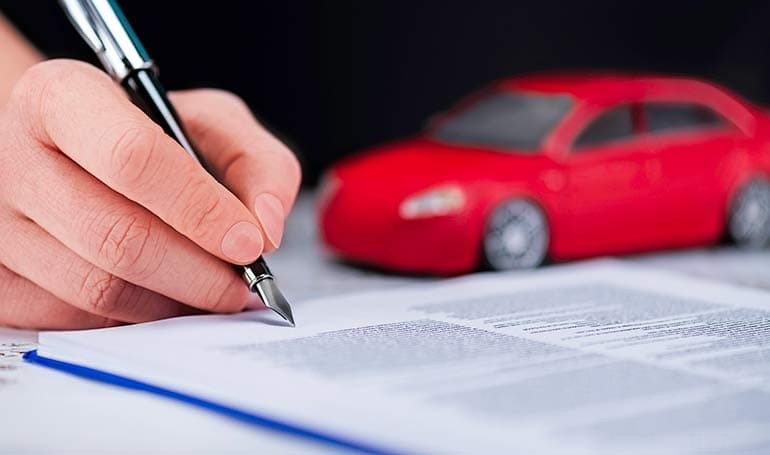
Compile all your service records, repair receipts, inspection reports, warranty/recall fixes, and title/registration paperwork. A well-documented maintenance history shows you’ve cared for the car — and that can help your bargaining position. Patty Peck Honda+3Bankrate+3rappgmc.com+3
If there are gaps, contact past service shops or use digital records (if available) to fill them in.
Week 2: Clean, Detail & Cosmetic Repairs
A vehicle’s appearance is one of the first things an appraiser notices. Cleanliness and curb appeal influence perception of the car’s overall care. Reichard Buick GMC+4Bankrate+4Experian+4
4. Exterior wash, polish & wax
Give the car a full wash and wax. Clean wheels, tires and wheel wells. Fix minor scrapes or scratches if possible (DIY or via a body shop). Touch up paint chips. Ensure the windows, mirrors, and lights are spotless.
5. Interior detail
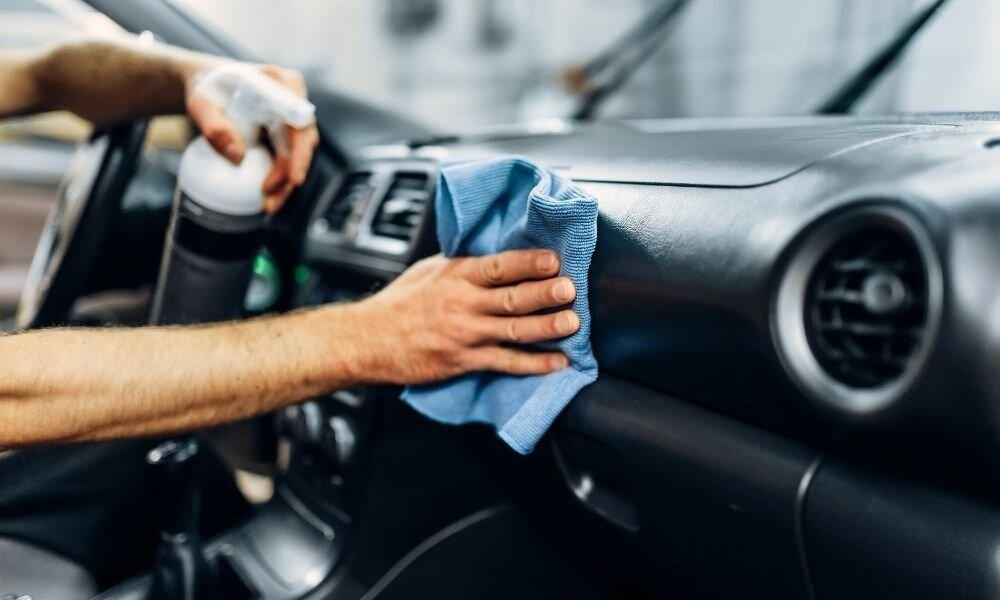
Vacuum carpets, seats, and trunk space. Wipe down surfaces, vents, dash, door panels, and glass. Remove odors (smoking, pets) — using odor eliminators or baking soda in carpet, if needed. Remove all personal items and clutter.
6. Address small cosmetic issues
Repair or replace faded, cracked, or broken trim and plastic. Fix or replace broken knobs, trim inserts, or missing pieces. Replace or patch seat upholstery if minor. Clean or replace floor mats.
These efforts are relatively low-cost but yield a strong first impression, which matters when your car is being appraised.
Week 3: Mechanical & Functional Upgrades
Now dive into the mechanical side — the fixes that may cost you, but often pay off in value (or at least prevent penalties from appraisers). Noble Quote+5Bankrate+5Experian+5
7. Fix minor mechanical issues
Address problems such as:
-
Fluid leaks
-
Worn brake pads or rotors
-
Suspension noises
-
Worn belts or hoses
-
Faulty sensors (oxygen sensors, check-engine codes)
-
Replace dim or non-working lights (interior/exterior)
-
Replace bulbs, fuses, or small electrical fixes
Always weigh repair cost vs value gain. If a fix costs more than what it adds in value, it may not be worth it. Bankrate+2Patty Peck Honda+2
8. Verify electronics & features are working
Ensure that every part of your car—from power windows and locks, to infotainment systems, Bluetooth connectivity, backup camera, heated seats, and air conditioning—operates normally. A nonworking feature is a value drainer. rappgmc.com+3Experian+3Bankrate+3
9. Perform deferred maintenance
If your car is due (or overdue) for service like oil changes, filter replacements, tire rotation, alignment, or belt/chain service, consider doing these now. These maintenance items reassure buyers and appraisers that the car is in good mechanical shape. Noble Quote+3rappgmc.com+3Experian+3

Week 4: Appraisal Preparation & Leverage Building
You’re nearly ready. This final stretch is about building confidence and positioning yourself in the negotiation.
10. Get multiple trade-in offers
Visit (or request quotes from) at least three different dealerships, plus online trade-in services (CarMax, Carvana, etc.). Use these as leverage. rockhillnissan.com+4NerdWallet+4Bankrate+4 When you get offers, try to have them in writing or email form.
11. Negotiate trade-in separately from new car
Dealers sometimes roll your trade-in value into the total price of your new car, hiding costs. Ask that the trade-in and purchase be treated as separate transactions so you can see exactly what you’re being offered. rockhillnissan.com+3Bankrate+3Noble Quote+3
12. Time your trade-in strategically
If possible, time your trade-in when demand is higher (e.g., spring/summer for certain models), or when your car type (e.g., SUVs, trucks) is more in demand locally. rockhillnissan.com+3Bankrate+3Car and Driver+3 Also watch for local market shifts: low inventory of used models can drive up demand and trade-in offers. Bankrate+2Noble Quote+2
13. Present your documentation and condition confidently
When meeting with appraisers, show your maintenance records, receipts, and logs. Walk them through what you've repaired/maintained in the past 30 days. Point out features and upgrades you’ve made. A clean, maintained, and well-documented car often earns more. Patty Peck Honda+3Experian+3Bankrate+3
What You Should and Shouldn’t Invest In
-
Do invest in low-cost, high-impact items (detail, remove odors, fix lights, document records).
-
Be cautious about spending heavily on major repairs or upgrades unless the car’s residual value justifies it.
-
Don’t over-improve with niche modifications; many dealer appraisers and future buyers prefer stock or lightly modified vehicles. Reichard Buick GMC+1
-
Don’t skip the inspection: a professional pre-check might uncover issues that cost you later.
Final Thoughts
In just 30 days, you can make a major difference in the condition and presentation of your vehicle. That effort can translate directly into a higher trade-in offer — or at least avoid lowball reductions. Go into the dealership with multiple quotes, a clean car, the repairs you’ve documented, and the confidence that you’ve done your homework. Now that you have under your tool belt a good knowledge on how to boost your car's trade-in value in 30 days you can get the most out of your vehicle!